
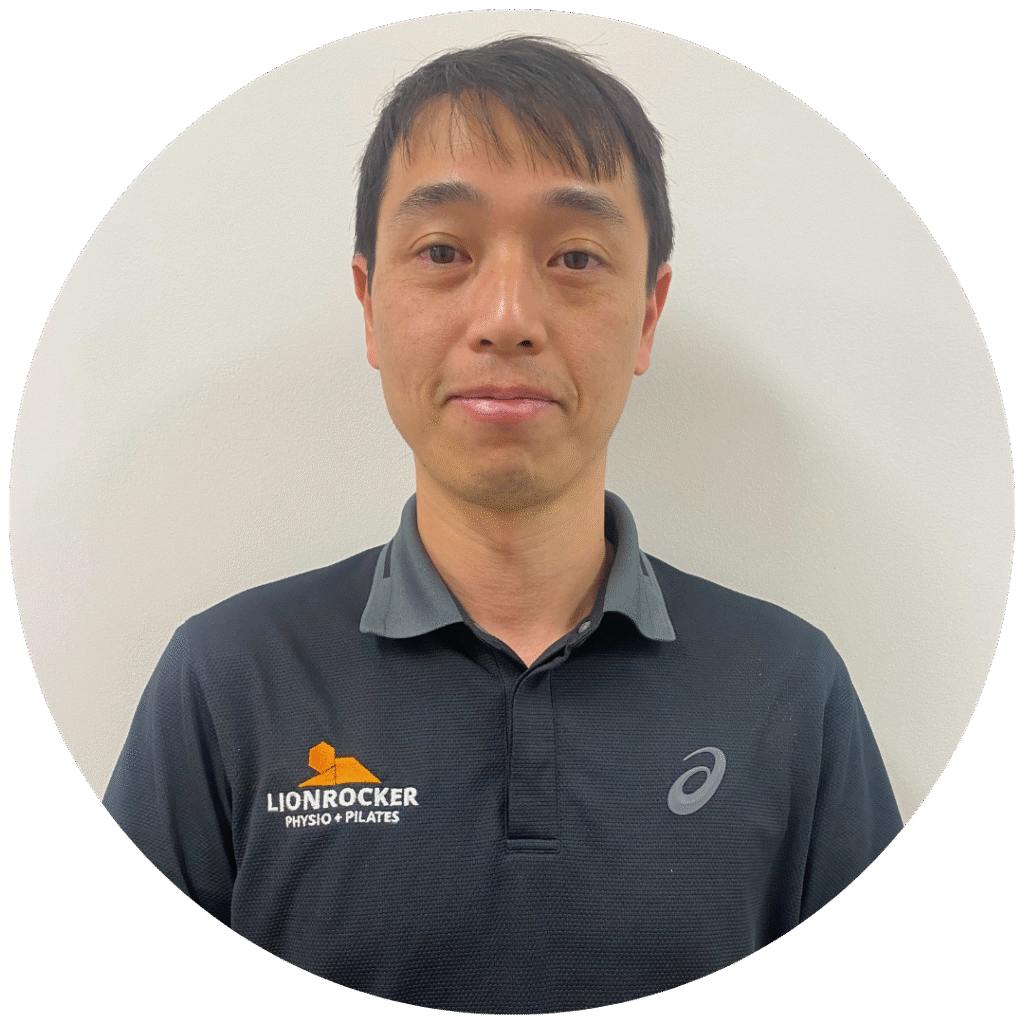
Edgar Tang is a distinguished physiotherapist with a robust academic and professional background. He graduated with a Bachelor of Science in Physiotherapy in 2004 and further advanced his expertise by obtaining a Master of Science in Manipulative Physiotherapy in 2017.
With many years of experience in treating musculoskeletal pain, Edgar has honed his skills in providing effective, patient-centered care. His extensive knowledge and practical approach make him a trusted professional in the field.
Edgar is trilingual, proficient in English, Cantonese, and Mandarin, which allows him to serve a diverse patient population and communicate effectively across different cultures.
Beyond his professional achievements, Edgar has a keen interest in soccer, reflecting his commitment to an active and healthy lifestyle. His personal motto, “Love is all around,” underscores his compassionate approach to patient care, emphasizing empathy and understanding in his practice.
What are your qualifications and clinical focus areas?
I completed a Bachelor of Science in Physiotherapy in 2004 and a Master of Science in Manipulative Physiotherapy in 2017. With more than 20 years of clinical experience, I have worked across private physiotherapy practice, hospitals, orthopaedic and surgical wards, neurological rehabilitation, intensive care and community healthcare settings.
I have also worked closely with orthopaedic surgeons, providing experience in pre-operative assessment, post-operative rehabilitation and the management of complex musculoskeletal conditions.
My main clinical focus areas include:
• Musculoskeletal injuries • Sports injuries and return-to-sport rehabilitation • Back and neck pain • Shoulder, hip, knee and other joint conditions • Work-related and repetitive strain injuries • Post-operative orthopaedic rehabilitation • Persistent or recurring pain • Strength, mobility and exercise-based rehabilitation programmes
My approach combines detailed assessment, hands-on therapy, education and progressive rehabilitation. The aim is to understand the factors contributing to a person’s symptoms and support their return to meaningful activities with greater confidence and function.
How do you keep up with evolving clinical evidence?
I regularly review current physiotherapy and musculoskeletal research, participate in continuing professional development and update my clinical skills through ongoing education. I also value discussions and collaboration with medical specialists, orthopaedic surgeons and other healthcare professionals.
Evidence-informed practice involves combining the best available research, clinical experience and the individual’s goals, preferences and circumstances to guide treatment decisions.
Understanding Persistent Pain
Why does my pain persist if my scans look normal?
Scans can provide useful information, but they do not identify every factor that may contribute to pain. A normal scan does not mean that symptoms are not real, nor does it mean that improvement is not possible.
Pain may be influenced by factors such as tissue sensitivity, changes in movement patterns, reduced physical capacity, repetitive loading, previous injury, nerve sensitivity or the body’s protective responses. At the same time, imaging findings do not always correlate with the level of pain a person experiences.
This is why assessment focuses on the whole person rather than imaging alone. A detailed history and physical examination often provide valuable information about what aggravates symptoms, what activities are difficult to tolerate and how function may be improved.
What hidden or lifestyle factors could be driving my symptoms?
Symptoms are often influenced by a combination of physical, lifestyle and environmental factors. These may include:
• Sudden changes in exercise or workload • Repetitive movements or prolonged positions • Reduced strength, mobility or physical conditioning • Inadequate recovery between activities • Poor sleep or fatigue • Stress and increased muscle tension • Previous injuries • Reduced confidence with movement following injury • Inconsistent activity patterns • Workplace, sporting or home demands
These factors do not mean that symptoms are “all in your head”. They can influence how the body responds to movement, loading and recovery. Identifying these factors helps create a more complete and personalised management plan.
Assessment and Treatment Planning
What happens during my initial assessment?
The initial assessment begins with a detailed discussion about your symptoms, medical history, lifestyle, work, sport and treatment goals. I will ask how the problem began, what aggravates or eases your symptoms and how it affects your daily activities.
The physical assessment may include:
• Posture and movement analysis • Joint mobility assessment • Muscle strength and flexibility testing • Neurological assessment where appropriate • Balance and functional movement assessment • Sport- or work-specific movement assessment • Review of relevant scans, reports or surgical information
I will then explain the findings in clear language, discuss possible contributing factors and outline appropriate management options. If the assessment identifies concerns that require further medical investigation, I will recommend appropriate follow-up with the relevant healthcare professional.
How do you tailor treatment for someone with a busy schedule or a low level of fitness?
Treatment should be realistic and sustainable. For people with busy schedules, I prioritise practical exercises and strategies that can be incorporated into daily life at home, work or the gym.
For someone with lower fitness levels, treatment starts at an achievable level and progresses gradually as strength, confidence and tolerance improve. The goal is to provide enough challenge to support progress without unnecessarily aggravating symptoms.
Consistency is often more valuable than following an unrealistic programme that is difficult to maintain.
Treatment Options
What treatments do you use, and how do you decide which ones are appropriate?
Treatment recommendations are based on assessment findings, current evidence, the individual’s goals and stage of recovery. Depending on the situation, management may include:
• Manual therapy: May be used to assist movement, address stiffness and support participation in rehabilitation.
• Joint mobilisation or manipulation: Considered where assessment findings indicate it may be appropriate.
• Dry needling: May be used as an adjunct to assist symptom management in some individuals.
• Suction cupping therapy: Sometimes incorporated as part of a broader treatment approach when clinically appropriate.
• Exercise prescription: Individualised mobility, strengthening, balance and conditioning exercises designed to improve function and physical capacity.
• Load management: Temporary modifications to work, sport or daily activities to help manage symptoms while maintaining activity where appropriate.
• Progressive exercise therapy: Structured progression of strength, mobility, endurance and activity tolerance.
• Shockwave therapy: May be considered for selected tendon and soft tissue conditions where appropriate.
• Electrotherapy: Used selectively as an adjunctive strategy for symptom management.
• Physiotherapist-led Reformer Pilates: Used to support movement, strength, mobility, balance and exercise confidence through supervised exercise.
Hands-on treatments can play a role in care, but they are generally most effective when combined with education, activity modification and exercise-based rehabilitation. Every treatment option should have a clear clinical purpose within the overall management plan.
How do we know whether treatment is working?
Progress is measured against meaningful goals rather than relying solely on how someone feels on a particular day.
Depending on the condition, this may include:
• Pain levels and symptom frequency • Range of movement • Strength and endurance • Walking, running or lifting tolerance • Ability to work and perform daily activities • Confidence with movement • Return to sport or recreational activities • Standardised outcome measures • Achievement of agreed rehabilitation goals
Progress is reviewed regularly. If improvement is not occurring as expected, I reassess the contributing factors, management approach and exercise programme. Where appropriate, further investigation or collaboration with other healthcare professionals may be recommended.
Long-Term Recovery
What is your philosophy on complete recovery rather than simply becoming pain-free?
Pain relief is often an important goal, but recovery involves more than symptom reduction alone. Symptoms may improve before strength, mobility, physical capacity and confidence have fully returned.
My aim is to support sustainable recovery by helping people rebuild physical capacity, improve movement and develop strategies that support long-term function and participation in the activities that matter to them.
This may involve improving strength, mobility, endurance and movement confidence while addressing factors that may contribute to recurrent symptoms.
Will I have to stop the sports or activities I love?
In most situations, the goal is not to stop activities permanently. Instead, the focus is on identifying what can be modified temporarily while maintaining as much safe activity as possible.
This may involve adjusting intensity, frequency, duration or technique while gradually rebuilding strength and tolerance.
Complete rest is occasionally necessary, but it is not usually the default approach. The aim is to support a safe and gradual return to the activities that are important to you, based on your individual circumstances and goals.