

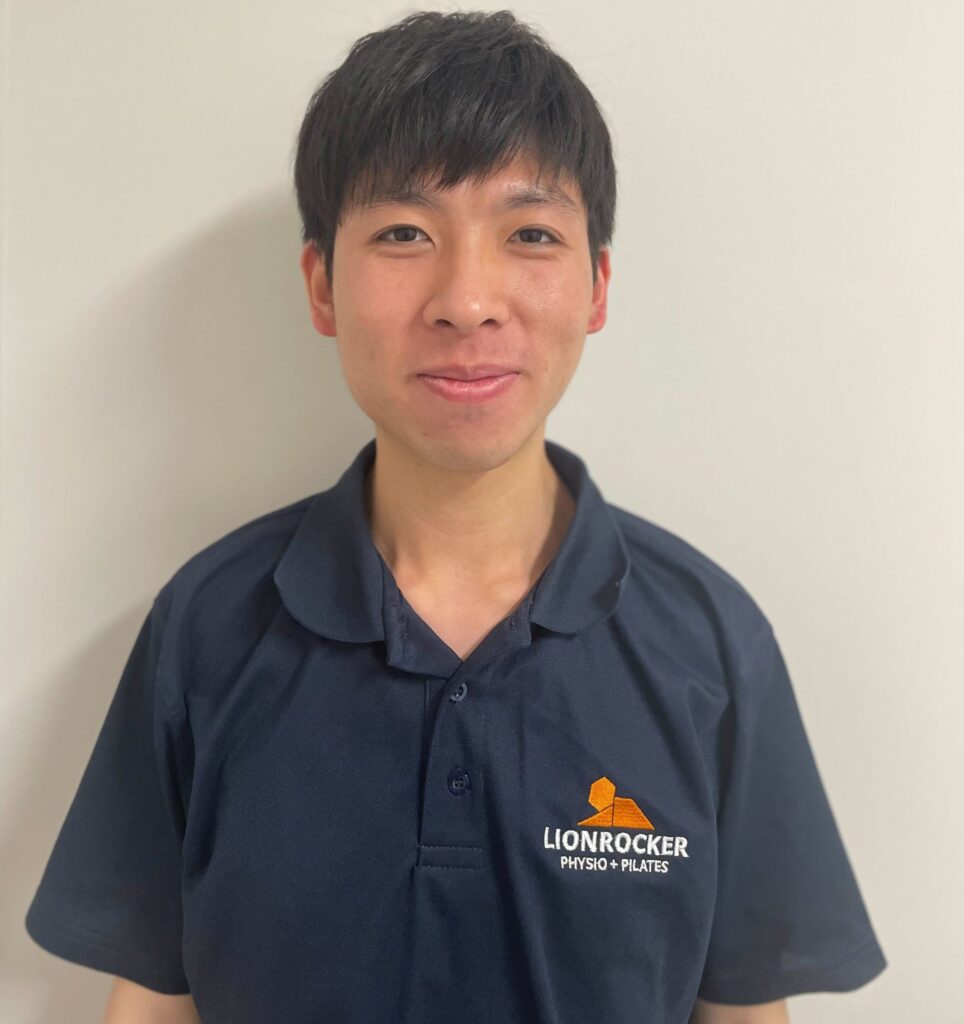
Jason graduated in Bachelors of Physiotherapy at Curtin University.
He has a passionate interest in understanding and treating different musculoskeletal problems, and helping clients return to their hobbies and activities. This makes Jason pursue a career in physiotherapy. He particularly interest in treating sport injury, lower back and neck pain.
Jason is multilingual; he speaks fluent English, Cantonese and Mandarin. You can choose one of the languages that make you feel comfortable while communicating with him. Jason is a warm and friendly physiotherapist who easily connects with clients from different cultural backgrounds, making you feel comfortable and understood. He also enjoys hands-on therapy.
Outside of his work, he enjoys fishing, playing badminton and playing basketball.
What are your specific qualifications and clinical focus areas?
I am a physiotherapist with a clinical focus on lower back pain, neck pain and a range of musculoskeletal conditions. I enjoy helping people manage both acute and persistent pain, improve their movement and function, and work towards returning to the activities that are important to them.
My approach combines detailed assessment, hands-on therapy, education and individualised exercise-based rehabilitation tailored to each person’s needs and goals.
How do you keep up with evolving clinical evidence?
I regularly review current physiotherapy research, clinical guidelines and evidence-informed treatment approaches to support my clinical practice. I also participate in continuing professional development and collaborate with other healthcare professionals to broaden my knowledge and skills.
My aim is to provide care that reflects current evidence while considering each person’s individual circumstances, goals and preferences.
Why does my pain persist if my scans look normal?
Pain does not always mean there is visible damage to the body. Sometimes scans may appear normal even when someone is experiencing significant symptoms.
Pain can be influenced by many factors, including muscle tension, reduced physical capacity, movement patterns, nervous system sensitivity, sleep, stress and previous experiences. Imaging findings do not always explain the severity of a person’s symptoms.
I focus on assessing how the body moves and functions rather than relying solely on scan results, helping build a more complete understanding of the factors that may be contributing to pain.
What hidden or lifestyle factors could be driving my symptoms?
Many factors can contribute to pain and restricted movement, including:
• Prolonged sitting • Repetitive movements • Poor sleep quality • Stress • Reduced physical activity • Workplace demands • Physical deconditioning • Daily movement habits
For people experiencing lower back or neck pain, I also consider work environments, activity levels and movement patterns to better understand potential contributors to symptoms.
What exactly happens during my initial assessment?
During your initial consultation, we will discuss your symptoms, medical history and how your condition is affecting your daily activities.
I will then assess relevant movement, flexibility, strength and other physical findings to better understand your presentation. Following the assessment, I will explain the findings in clear language, discuss suitable management options and develop an individualised treatment plan.
Where appropriate, treatment may also begin during the first appointment.
How do you tailor a treatment plan to someone with a busy schedule or low fitness?
Everyone has different lifestyles, fitness levels and time commitments. I aim to provide practical strategies and exercises that can be incorporated into everyday routines.
Management plans are tailored to each person’s current ability and priorities, with exercises progressed gradually as confidence, movement and physical capacity improve.
The goal is to create a sustainable programme that is realistic, manageable and effective for the individual.
What treatment approaches do you use, and why do you choose them?
Treatment recommendations are based on assessment findings, individual goals and current evidence.
Depending on the condition and individual needs, management may include:
• Manual therapy • Dry needling • TENS • Cupping • Shockwave therapy • Stretching and mobility exercises • Strengthening exercises • Education and self-management strategies
Some treatment approaches may assist with symptom management or support participation in rehabilitation. Exercise, education and progressive activity are often important components of a broader management plan.
My aim is to select the most appropriate approach for each individual rather than applying the same treatment to everyone.
How do we know if the treatment is working?
Progress is measured using meaningful outcomes that relate to your goals and daily activities.
This may include changes in:
• Pain levels • Range of movement • Strength and physical capacity • Walking, sitting or lifting tolerance • Participation in work, exercise or recreation • Confidence with movement
Regular reassessment helps ensure that treatment remains appropriate and allows the management plan to be adjusted as needed.
What is your philosophy on complete recovery versus just getting out of pain?
While reducing symptoms is often an important goal, recovery involves more than pain relief alone.
My focus is on helping people improve movement, physical capacity and confidence so they can participate in the activities that are important to them. I also aim to help patients better understand their condition and develop practical strategies to manage symptoms and respond to future flare-ups if they occur.
Will I have to stop doing the sports or activities I love?
Not necessarily. In many situations, remaining active is an important part of recovery.
Sometimes activities may need to be temporarily modified to better match your current capacity and symptom levels. Where appropriate, we can develop a gradual and structured plan that supports a return to sport, exercise or other valued activities.
The aim is to help you remain as active as possible while considering your individual circumstances and goals.