
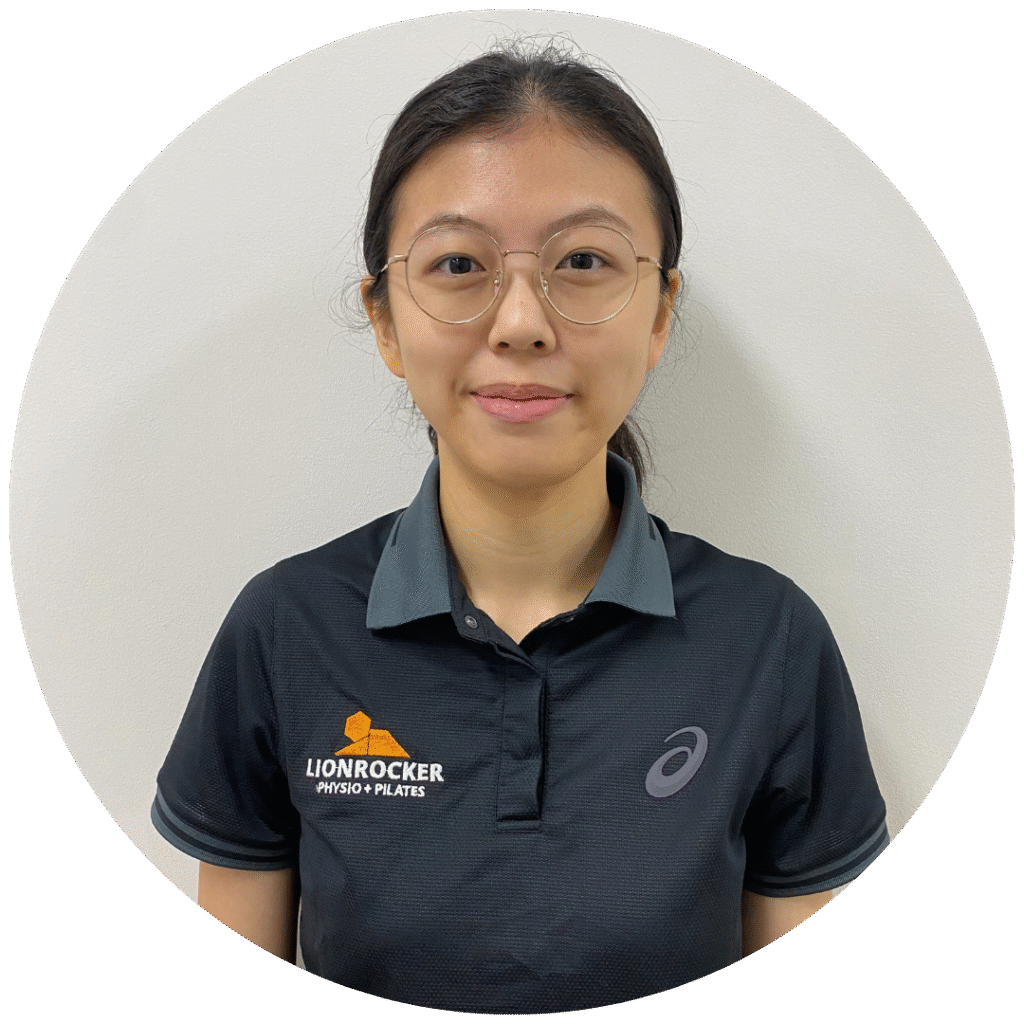
Nicole’s journey into physiotherapy began with a simple yet powerful desire: to help people return to the things they love whether it’s work, hobbies, or just feeling like themselves again. After graduating with a Bachelor of Physiotherapy from Curtin University, she set out to do just that, building a career focused on pain management, musculoskeletal and neurological rehabilitation.
What sets Nicole apart is not just her clinical knowledge, but her ability to connect genuinely and compassionately with the people she works with. Fluent in English, Cantonese, and Mandarin, she makes clients from all walks of life feel understood, supported, and seen. Her sessions are never one- size-fits-all. Instead, she brings a thoughtful, client-centered approach, blending hands-on therapy with active rehabilitation strategies to create treatment plans as unique as the individuals she supports.
What are your specific qualifications and clinical focus areas?
I am an AHPRA-registered physiotherapist with a Bachelor of Science (Physiotherapy) from Curtin University (2025). I have also completed introductory dry needling training through the CPD Health dry needling course (March 2025). Since May 2025, I have worked in private practice at Lion Rocker Health, managing private, Medicare EPC, workers’ compensation, motor vehicle accident, and NDIS clients.
Areas of clinical interest and regular practice include musculoskeletal assessment and rehabilitation, exercise and gym-based rehabilitation, clinical Pilates, graded strengthening, workplace injury management, motor vehicle accident rehabilitation, return-to-work programs, persistent pain management, dry needling, and sports and return-to-activity rehabilitation.
My experience includes developing individualised rehabilitation programs, preparing treatment management and progress reports, completing functional assessments, and liaising with GPs, insurers, rehabilitation consultants, employers, and support coordinators. Earlier experience as a first aider in community netball, together with clinical placements across outpatient musculoskeletal, neurology, orthopaedic, and regional rehabilitation settings, has also contributed to my approach to sports injuries, functional rehabilitation, and safe return to activity.
How do you keep up with evolving clinical evidence?
I regularly review current clinical guidelines and relevant research, complete continuing professional development activities, and discuss complex presentations with senior clinicians and other health professionals. I also compare treatment decisions with measurable patient outcomes and update the plan when progress does not match expectations.
Why does my pain persist if my scans look normal?
Scans show structure, but pain is influenced by more than structural change alone. Irritation, movement sensitivity, reduced strength or physical capacity, sleep, stress, and changes in how the nervous system processes and responds to pain can all contribute. I therefore assess the person’s symptoms, function, and goals rather than treating the scan in isolation.
What hidden or lifestyle factors could be driving my symptoms?
I consider work demands, repetitive tasks, ergonomics, sleep, stress, recovery, exercise load, previous injuries, general health, confidence with movement, and daily habits. These factors do not mean the pain is ‘all in your head’; they help explain why symptoms may persist or fluctuate and where practical changes may improve recovery.
What exactly happens during my initial assessment?
The first appointment usually includes understanding the main concern and goals, screening for red flags and relevant medical history, assessing movement, strength, and functional tasks, identifying likely contributing factors, explaining the findings in plain language, and agreeing on a treatment plan with baseline measures so progress can be reviewed.
How do you tailor a treatment plan to someone with a busy schedule or low fitness?
The plan needs to be realistic enough to follow. I may use short home sessions, a small number of high-value exercises, minimal equipment, pacing, and gradual progression. We agree on priorities together and adjust frequency, intensity, and exercise choices around work, family responsibilities, current fitness, and symptom response.
What treatment approaches do you use, and why do you choose them?
Depending on the assessment, I may use education, activity and load modification, manual therapy, dry needling, pain-relieving adjuncts, mobility work, clinical Pilates, progressive exercise, and gym-based strengthening. I choose each intervention according to the likely contributing factors, safety, clinical evidence, the patient’s preferences, and their functional goals.
Passive treatment may help reduce symptoms in the short term, while progressive rehabilitation aims to build longer-term function and capacity.
How do we know if the treatment is working?
We review specific measures rather than relying only on feeling better. These may include pain irritability, range of movement, strength, walking or stair tolerance, lifting capacity, work duties, sport participation, and progress towards the patient’s own goals.
If the expected change is not occurring, I reassess the diagnosis, contributing factors, and treatment plan.
What is your philosophy on complete recovery versus just getting out of pain?
Pain reduction is important, but it is only one stage of recovery. Complete recovery means restoring enough mobility, strength, endurance, confidence, and self-management capacity for the person to return to daily life, work, or sport while improving physical capacity and developing strategies to help manage future flare-ups.
Will I have to stop doing the sports or activities I love?
Usually the goal is not to stop permanently. I may temporarily modify the amount, intensity, or type of activity, use suitable alternatives, and then progressively reload the body.
Recommendations regarding return to activity are based on factors such as symptoms, strength, function, confidence, and the specific demands of the activity, with the aim of helping you return safely and sustainably.
Disclaimer: The information provided is intended for general educational purposes only and should not be considered a substitute for individual assessment, diagnosis, or treatment. Recommendations and treatment approaches are tailored to each person’s individual circumstances following a clinical assessment. Outcomes can vary between individuals.