
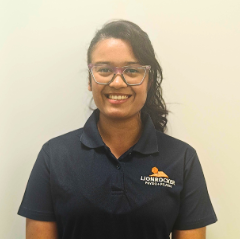
With a strong passion for helping people regain mobility and live healthier lives, Zeba Kaderi pursued a career in Physiotherapy and furthered her studies with a Master of Public Health in Australia. Zeba is an AHPRA-registered Physiotherapist who has built a solid foundation in musculoskeletal (MSK) and cardiopulmonary care. She has gained extensive experience through one year of clinical practice in India and eight months of practice in Australia, where she further developed her expertise, particularly in aged care.
With a keen interest in evidence-based and patient-centered care, Zeba is dedicated to delivering hands-on treatments that help individuals recover from injury, manage chronic conditions, and return to their daily activities with confidence. She recently enhanced her professional skills by completing the APA-certified Advancing Musculoskeletal Physiotherapy Clinical Practice Program, reflecting her commitment to ongoing growth and clinical excellence. Zeba can speak English and Hindi.
Originally from India and now practicing in Australia, Zeba is deeply attuned to working with people from diverse backgrounds and understands the importance of cultural sensitivity in healthcare. Her holistic and compassionate approach ensures that every patient feels heard, supported, and empowered throughout their recovery journey. Outside of the clinic, Zeba enjoys painting, swimming, and home decoration, finding balance and creativity beyond her clinical work.
What are your specific qualifications and clinical focus areas?
I hold a Bachelor of Physiotherapy from India and a Master of Public Health from Flinders University, Australia.
I am registered with AHPRA (Australia) and the HCPC (United Kingdom), and I hold an Annual Practising Certificate in New Zealand. I have also completed additional training in Certified Orthopaedic Manual Therapy (COMT), dry needling and women’s health physiotherapy.
My main areas of clinical focus include:
• Musculoskeletal and sports injuries
• Women’s health physiotherapy, including pelvic floor concerns and pregnancy-related and postnatal care
• Post-operative rehabilitation
• Geriatric physiotherapy, including balance and mobility concerns
• Strength, exercise and return-to-activity programmes
My approach combines detailed assessment, education, hands-on treatment where appropriate and individualised exercise rehabilitation to support movement, function and overall wellbeing.
How do you keep up with evolving clinical evidence?
I regularly update my knowledge through continuing professional development, workshops and ongoing clinical education.
Some of my additional training includes the Advancing Musculoskeletal Clinical Practice Program through PhysioMates, Dry Needling Workshops and Women’s Health professional development programs.
I combine current evidence, ongoing learning and clinical experience to guide treatment recommendations that are tailored to each individual’s presentation, goals and circumstances.
Why does my pain persist if my scans look normal?
Pain does not always correspond directly with findings on X-rays or MRI scans. While imaging can provide useful information about physical structures, it does not always explain why someone is experiencing pain.
Factors such as muscle function, joint mobility, movement patterns, sleep quality, stress levels and physical activity may also influence symptoms, even when scans appear relatively normal.
I assess your symptoms, movement, strength, medical history and lifestyle factors to develop a broader understanding of what may be contributing to your presentation and to guide an appropriate management plan.
What hidden or lifestyle factors could be driving my symptoms?
Pain and physical limitations are often influenced by a combination of factors beyond the area where symptoms are felt.
These may include:
• Poor sleep quality
• Stress and emotional wellbeing
• Prolonged sitting or repetitive activities
• Reduced physical activity
• Muscle weakness or deconditioning
• Sudden increases in exercise or training load
• Workplace demands
• Previous injuries
• General health and wellbeing
I consider these factors alongside the physical assessment to better understand what may be contributing to your symptoms.
What exactly happens during my initial physiotherapy assessment?
Your first physiotherapy appointment usually involves several stages:
Discussion
We talk about your symptoms, medical history, current concerns and treatment goals.
Physical Assessment
This may include evaluating your movement, strength, flexibility, balance and mobility.
Understanding Contributing Factors
I identify factors that may be influencing your symptoms and physical function.
Initial Management
Where appropriate, treatment may begin during the first appointment.
Rehabilitation Planning
You may be provided with exercises, education or self-management strategies to support your progress.
Goal Setting
Together, we establish realistic short-term and longer-term goals and discuss the next steps in your care.
My aim is for you to leave with a clear understanding of the assessment findings and an individualised plan moving forward.
How do you tailor treatment for someone with a busy schedule or low fitness?
Every person has different responsibilities, fitness levels and priorities.
I work collaboratively with patients to develop realistic and achievable management plans that fit within their lifestyle.
This may involve:
• Simple home exercises
• Short exercise sessions
• Gym-based rehabilitation programmes
• Gradual progression of activity levels
The aim is to create a plan that is practical, sustainable and aligned with what is important to you.
What treatment methods do you use, and why?
Treatment recommendations are based on the assessment findings, individual goals and current evidence.
Depending on the presentation, management may include:
• Manual therapy – hands-on techniques that may assist movement and comfort.
• Dry needling – used where clinically appropriate as part of a broader management plan.
• Exercise therapy – mobility, strengthening and conditioning exercises designed to improve physical function.
• Women’s health physiotherapy – including pelvic floor rehabilitation and support during pregnancy and the postnatal period.
• Post-operative rehabilitation – structured programmes aimed at supporting recovery following surgery.
• Patient education – helping individuals better understand their condition, treatment options and self-management strategies.
Exercise, education and active participation are often important components of long-term management.
How do we know if the treatment is working?
Progress is assessed using both your feedback and objective measures.
This may include:
• Changes in symptoms
• Improvements in strength
• Improved mobility and flexibility
• Better balance and physical function
• Increased participation in work, exercise or daily activities
• Progress towards your personal goals
Regular reassessment allows us to monitor progress and adjust your management plan where appropriate.
What is your approach to complete recovery versus simply getting out of pain?
While reducing pain is often an important goal, recovery usually involves more than symptom improvement alone.
My focus is on helping people improve movement, strength, confidence and physical function so they can participate in the activities that are important to them.
I also aim to provide patients with the knowledge and strategies needed to manage their condition independently and respond effectively to future challenges should they arise.
Will I have to stop doing the sports or activities I love?
Not necessarily.
In many cases, it is possible to remain active while recovering, although some temporary modifications may be required depending on the condition and stage of rehabilitation.
I work with patients to identify which activities can continue, which may need adjustment and how to progressively return to exercise, sport or other meaningful activities.
The goal is to support ongoing participation wherever appropriate while helping you build strength, confidence and physical capacity over time.